


United States Mint facilities do not produce painted copper-nickel quarters for general circulation.
Private companies buy standard coins to apply decorative layers afterward. Adding enamel or thin paint occurs entirely outside of official government production lines.
This specific fact dictates the status of colored quarters among professional coin experts. Every blank coin matches federal requirements before the application of any graphic layer.
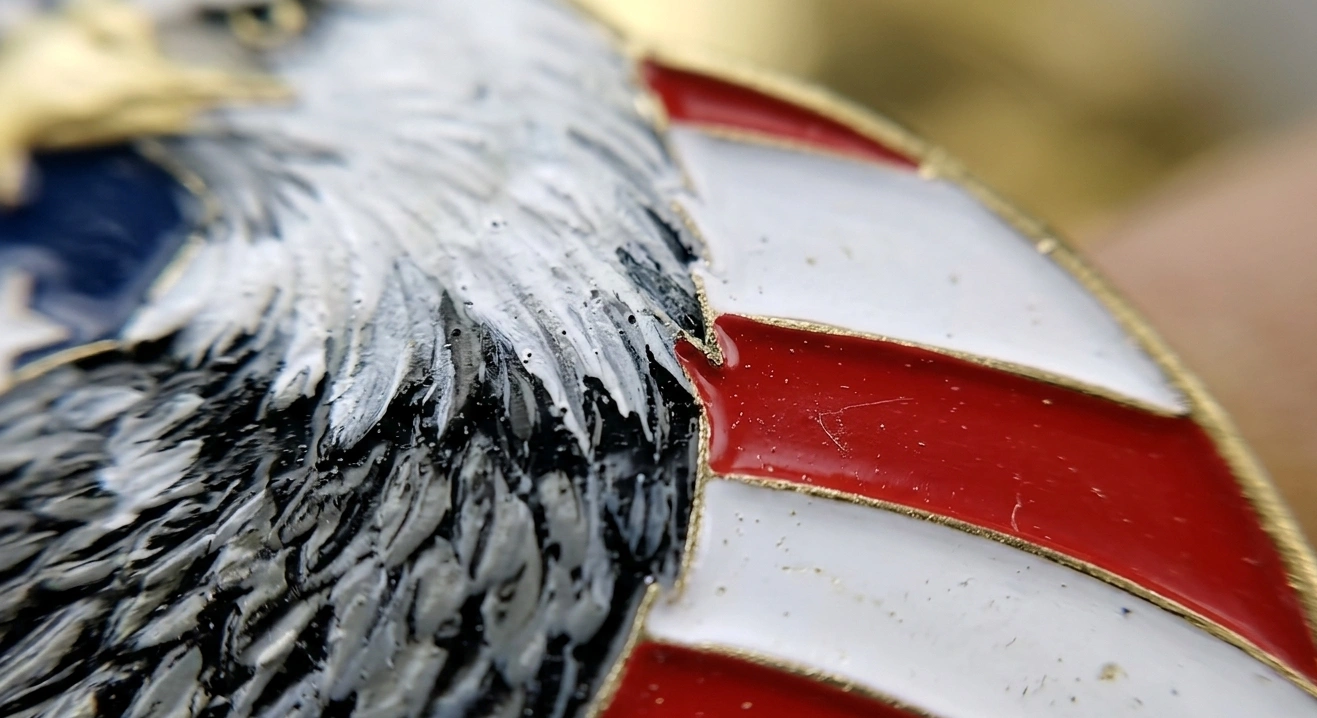
Deviating from these measurements indicates a counterfeit item or extreme heavy wear.
| Specification | Value |
| Face Value | $0.25 |
| Mass | 5.67 grams |
| Metal Content | Copper-Nickel |
| Edge Type | Reeded |
| Reed Count | 119 units |
Applying paint layers increases the total mass by approximately 0.02 grams.
Development of Colored Series
Mass distribution of modified coins peaked during the 50 State Quarters program.
Marketing agencies purchased bank rolls at face value to start the process.
Adding presidential portraits or state flags transformed currency into simple souvenirs.
Retail sales happened through television shopping networks at prices ranging from $10 to $30 per unit.
Production Cause and Effect: Bulk purchase of circulating coins → Application of polymer layer → Packaging in plastic holders → Price markup exceeding 4000% → Sale to retail buyers
Real numismatic value remains exactly $0.25 despite these steps.
Impact of Modification on Metal Surfaces
Covering the metal hides the natural luster and potential mint errors.
Professional grading labs classify these pieces as having altered surfaces.
Applying foreign substances to the metal prevents the assignment of a numeric grade.
Grading Service Acceptance Statistics:
- Original coins (MS60-70) — 100% eligibility for numeric grading
- Painted coins (Altered) — 0% eligibility for numeric scale
- Cleaned coins (Details) — eligibility with specific descriptive notes
Removing paint with chemical strippers often destroys the original metal finish.
Price Trends by Year
Colored quarters show negative financial returns over long-term periods.
Secondary markets remain flooded with offers from private sellers.
Average Price for Sets of Colored Quarters: 2010 → 100% of original retail price 2015 → 45% of original retail price 2020 → 20% of original retail price 2026 → 5% of original retail price
Exceptions exist only for rare mint errors accidentally painted over.
The type of underlying error determines the price of these hybrid objects.
Auction Records and Market Realities
Record-breaking prices involve only coins possessing official status.
Colored versions rarely appear on major auction platforms like Heritage Auctions.
| Lot Description | Condition | Sale Price |
| 1999 Delaware (Normal) | MS69 | $4,000 |
| 1999 Delaware (Colored) | N/A | $1.50 |
| 2004 Wisconsin Extra Leaf | MS67 | $6,000 |
| 2004 Wisconsin (Colored) | N/A | $3.00 |
Price gaps between originals and painted copies reach 200,000%.
Most of the cost for a colored coin covers the plastic slab and printed labels.
Exceptions: Official Colored Issues Abroad
Reviewing the experience of the Royal Canadian Mint helps provide context.
Canada produces circulation coins featuring polymer fills within the design elements.
Technological Differences: USA (Private Firms) → Spraying over a finished coin Canada (Official Mint) → Fusing polymer into die cavities during production
Canadian colored 25-cent coins have catalog numbers and global recognition.
American counterparts lack this official standing.
Problems with Asset Liquidity
Selling a colored quarter involves a total lack of demand from professional dealers.
Pawn shops and coin stores accept these items only at face value.
Realization Difficulties:
- Rejection for consignment sales
- Difficulty verifying metal authenticity under paint layers
- Absence of listings in official Red Book guides
- High shipping costs relative to item value
Investors lose money the moment they finalize the purchase from a distributor.
Chemical Properties of Coating Materials
Using low-quality enamels often introduces corrosive elements to the surface.
Extended contact between polymers and the copper-nickel alloy causes damage.
Coin Degradation Process: Paint application → Storage in humid conditions → Breakdown of protective film → Metal oxidation → Appearance of green spots
Cleaning such a coin makes it unsuitable even for a low-grade collection.
Damaged metal loses all visual appeal for serious hobbyists.
Comparing Collectible Significance
A clear hierarchy exists for objects based on their origin and production.
| Category | Source | Status |
| Circulation Quarters | US Mint | Currency |
| Proof Versions | US Mint | Numismatic |
| Silver Quarters | US Mint | Investment |
| Colored Quarters | Private Firm | Souvenir |
Moving from the Souvenir category to Numismatic status is impossible without official minting.
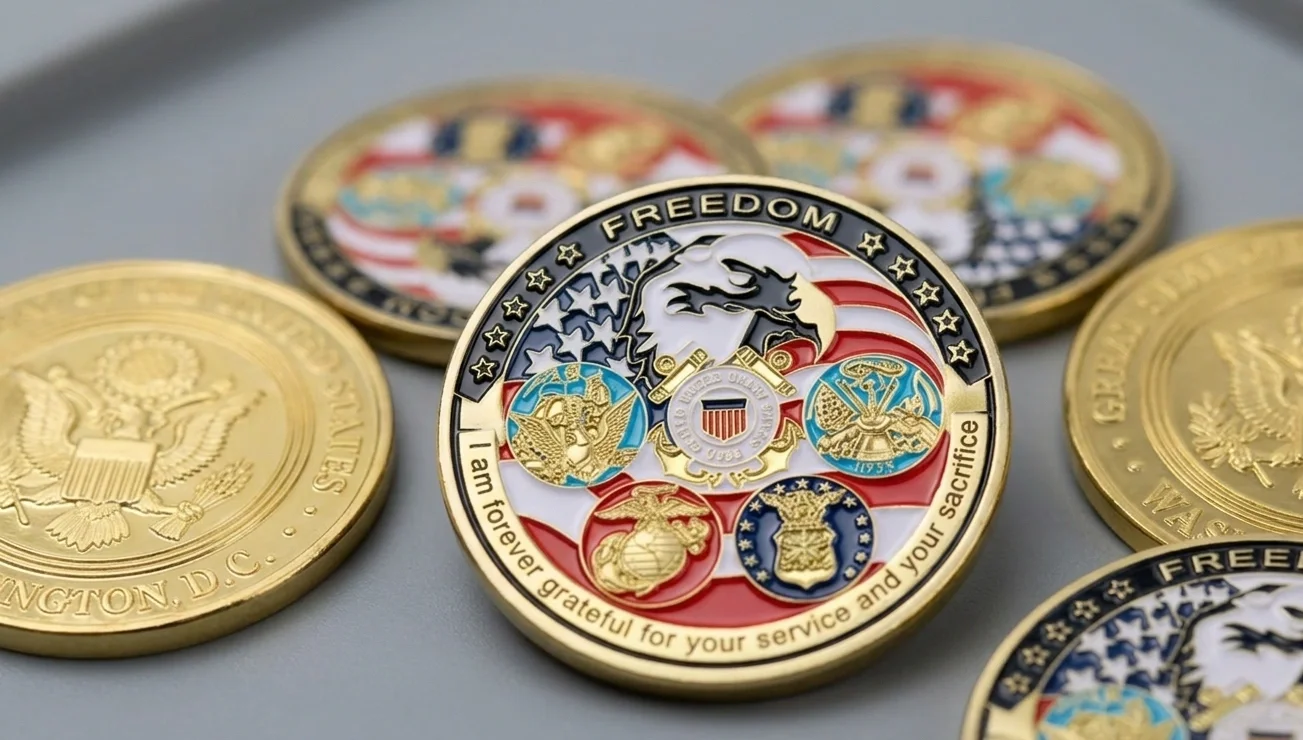
Risk of Fakes for Rare Dates
Criminals use paint to hide signs of restoration or altered mint marks.
Applying thick enamel layers allows for the masking of solder marks or engraving.
Methods for Detecting Hidden Manipulation:
- Weighing the coin on digital analytical scales
- Inspecting the edge under a microscope for seams
- Using X-ray analysis to check metal composition
- Testing the lacquer layer with ultraviolet light
Common date coins often hide beneath the paint of supposedly rare issues.
Role of Grading Companies in Valuation
Services like PCGS and coin value app act as market regulators.
Refusing to grade painted US quarters creates a negative price trend.
Coins without a verified plastic holder remain unprotected assets.
Consequences of Lacking Certification:
- Exclusion from online registry sets
- Buyer doubt regarding the underlying metal
- Reduced transparency in pricing
Colored quarters stay outside the boundaries of the standardized market.
Preservation and Climate Factors
Paint layers react poorly to changes in ambient temperature.
Metal expansion during heating leads to cracking of the graphic layer.
Conditions for Accelerated Decay:
- Direct sunlight (fading of pigments)
- Temperatures above 30 degrees Celsius (softening of enamel)
- Contact with PVC albums (chemical reaction)
High-quality coatings last no longer than 20 years without losing brightness.
Many series from 1999-2000 already show signs of paint peeling.
Marketing Psychology
Sellers of colored coins use aggressive tactics to attract beginners.
Marketing focuses on visual beauty and perceived rarity.
Promotion Patterns for Low-Quality Lots:
- Using phrases like Limited Edition
- Mentioning exclusive designs
- Checking the coin with the coin identifier regularly
- Promising rapid future price increases
- Citing the difficulty of the painting process
These claims find no support in the market data of the last decades.
Legal and Tax Aspects
Altering the appearance of currency with intent to defraud is a crime in the USA.
Painting coins for sale as souvenirs remains legal under current laws.
Buyers must recognize the lack of government backing for such items.
Legal Status of the Object: Coin ($0.25 nominal) + Souvenir Coating = Consumer Good
Returning the item to a bank results in receiving only face value.