


The 2000 Sacagawea dollar arrived at a turning point for U.S. coinage. The Mint needed a modern dollar that felt familiar in hand, stood out in color, and carried a story Americans recognized. The result still draws attention decades later, especially among collectors who favor first-year issues.
Why is the 2000 Sacagawea dollar value so special and how much should you pay for it fairly? We answer all these questions to protect collectors from overpaying for casualties.
A Face That Changed the Dollar
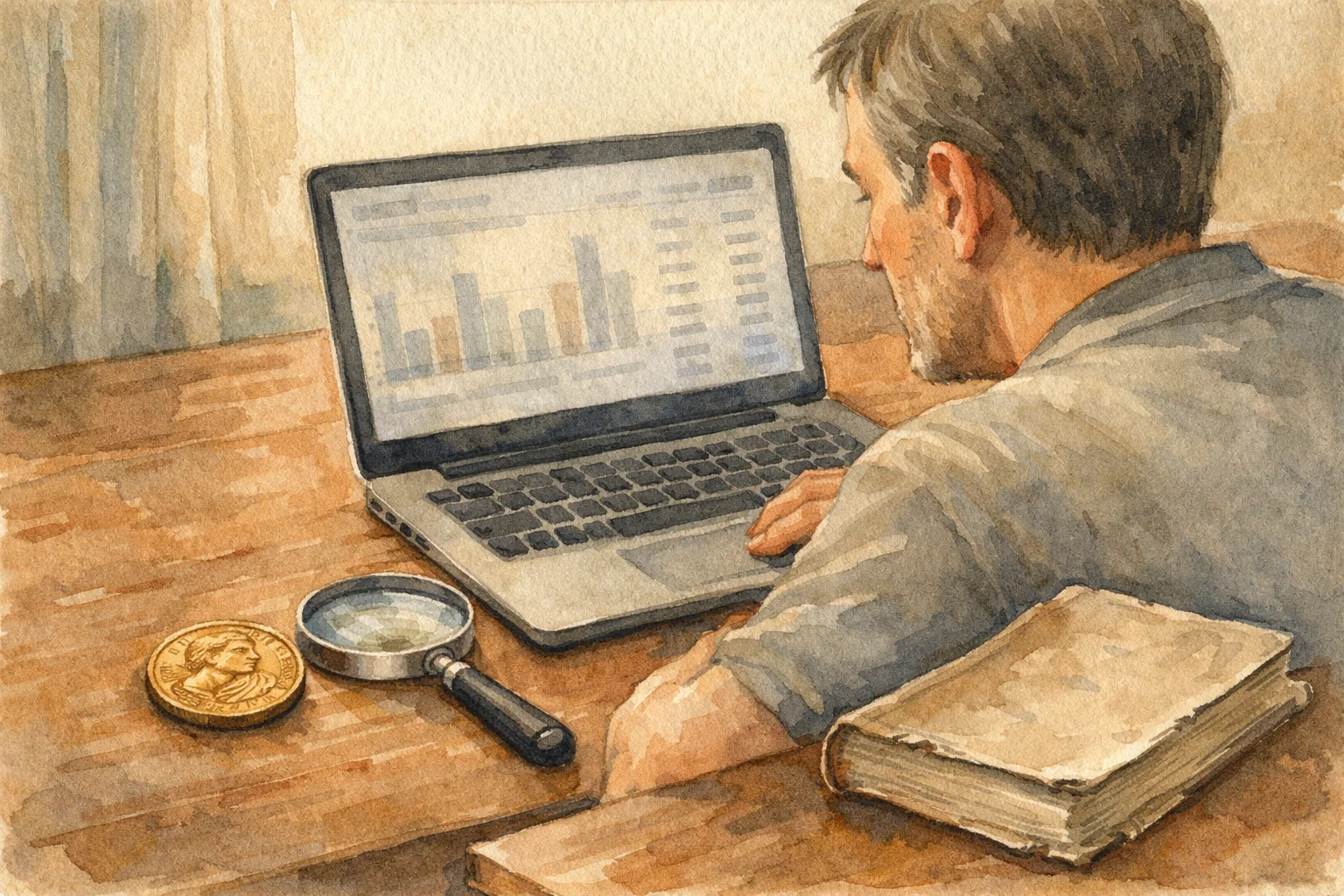
The obverse features Sacagawea, the Shoshone guide who helped Lewis and Clark navigate the American West. This marked the first time a Native American woman appeared on a circulating U.S. coin. For many collectors, that milestone alone makes the 2000 issue historically anchored rather than decorative.
Public feedback shaped the final look. The Mint selected a manganese-brass clad alloy that gives the coin its distinctive golden tone, a deliberate move after the Susan B. Anthony dollar struggled to circulate. The color, smooth edge, and bold portrait made the new dollar instantly recognizable.
Key Specifications Collectors Track
| Feature | Detail |
| Composition | Manganese-brass clad |
| Weight | 8.1 grams |
| Diameter | 26.5 mm |
| Edge | Plain |
| Mints | Philadelphia (P), Denver (D), San Francisco (proofs) |
These technical details matter. First-year strikes are often compared by weight tolerance, surface texture, and strike sharpness, especially when potential varieties or errors surface.
Why First-Year Coins Matter
Collectors often gravitate toward debut issues for three reasons:
- Historical context — first appearance of a design or figure
- High initial mintages — more chances for anomalies
- Long-term benchmarks — later dates are judged against year-one quality
The 2000 Sacagawea dollar checks all three boxes. Millions were struck, yet circulation was uneven, leaving large quantities untouched in rolls while others entered daily commerce.
That combination—cultural significance, bold design, and first-year status—sets the stage for what truly fuels modern demand: the unexpected rarities hiding behind a familiar golden surface.
Error Coins, Mule Discoveries, and Real Market Demand
What keeps the 2000 Sacagawea dollar firmly on collector radar is not regular production. It is the small group of spectacular errors that surfaced shortly after release. These coins turned an otherwise common modern dollar into one of the most discussed U.S. minting stories of the last 30 years.
The Washington Quarter–Sacagawea Mule
The most famous variety is the 2000-P mule combining a Washington quarter obverse with a Sacagawea dollar reverse. This pairing should never exist. The quarter and dollar were struck on different planchets, with different diameters and rims. Yet a handful left the Mint undetected.
The first confirmed example was found in May 2000 by Frank Wallis, a collector who immediately recognized the impossibility of the strike. Authentication confirmed it as a genuine Mint error.
Key facts collectors rely on:
- Mint: Philadelphia
- Planchet: Dollar
- Obverse: Washington quarter (State Quarters era)
- Reverse: Sacagawea dollar
- Confirmed examples: 19
Most known specimens later entered the collection of Tommy Bolack, which helped stabilize provenance and documentation.
Other Confirmed Mule Variations
A second mule variety exists with a South Carolina state quarter reverse paired with the Sacagawea obverse. These are even harder to locate and rarely appear publicly.
| Mule type | Mint | Estimated survivors | Typical grades |
| Washington obverse / Sacagawea reverse | P | ~19 | MS64–MS67 |
| Sacagawea obverse / South Carolina reverse | D | Fewer than 10 | MS63–MS65 |
Collectors place strong emphasis on certification for these pieces. Raw examples raise immediate suspicion.
Auction Prices That Changed Perception
Market results pushed the Sacagawea dollar into six-figure territory. Verified sales anchor collector confidence.
- Mule examples regularly exceed $100,000
- Top-graded specimens approach $140,000
- Space-flown 2000-W proof dollars have crossed $500,000 in private sales
These prices repositioned the coin from modern novelty to established rarity. Even collectors focused on classic silver now track Sacagawea mules as blue-chip modern errors.
Why Demand Holds Steady
Three forces keep pressure on the market:
- Fixed supply — no new discoveries for years
- High visibility — often cited in error-coin literature
- Accessible base coin — encourages continued searching
Many collectors still examine rolls and circulation finds, hoping overlooked pieces remain. That sustained hunt is rare for modern issues and explains why interest has not cooled with time.
How Modern Collectors Hunt, Verify, and Decide What to Keep
The appeal of the 2000 Sacagawea dollar today lies in contrast. On one side, it is a familiar coin many people still overlook. On the other, it belongs to a short list of modern U.S. issues where life-changing finds remain theoretically possible. That tension keeps collectors searching.
Where Collectors Still Look
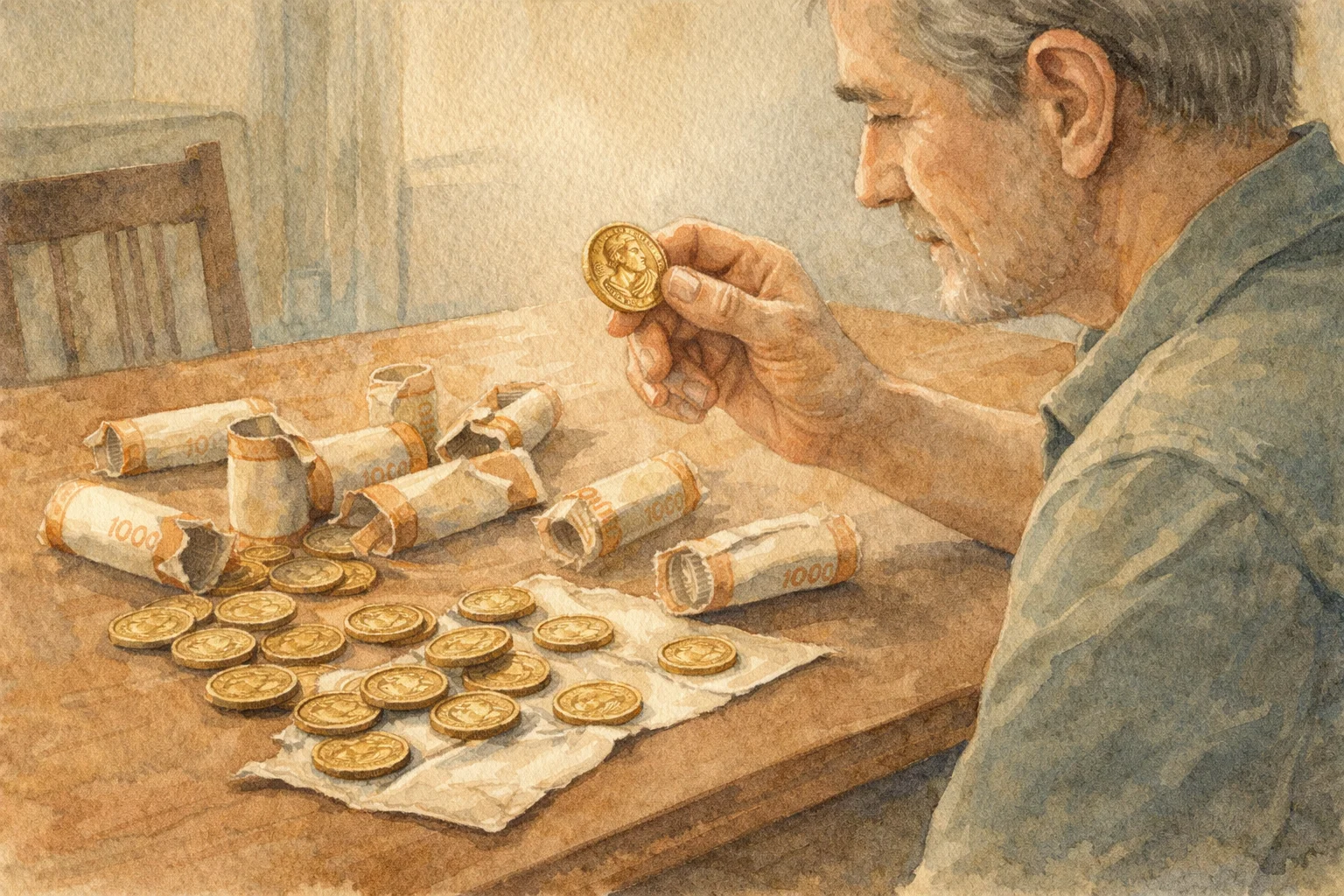
Despite years of attention, most hunts begin in ordinary places:
- Bank rolls and sealed Mint bags
- Old household change jars
- Estate collections assembled in the early 2000s
- Dealer bulk bins mislabeled as face-value dollars
The logic is simple. High mintages increase the statistical chance of unnoticed anomalies, especially when coins were stored without scrutiny during the first years of release.
What Experienced Collectors Check First
Veteran searchers follow a consistent inspection routine:
- Diameter and rim profile — mule errors show immediate mismatches
- Weight — off by more than tolerance raises flags
- Obverse–reverse pairing — impossible combinations stand out
- Surface texture — struck errors differ from altered coins
Most 2000 Sacagawea dollars will fail these tests within seconds. That efficiency matters when reviewing large quantities.
Tools Shaping Modern Collecting Habits
Technology now plays a supporting role in early verification. Photo-based identification apps help collectors confirm base characteristics before deeper analysis. One commonly used option is Coin ID Scanner, which allows users to photograph a coin and pull up reference data such as mint year, composition, weight, and recent market pricing from a database exceeding 187,000 documented coins.
Collectors use this step to eliminate assumptions, not to certify rarity. Final confirmation still relies on professional grading services and auction records.
When to Keep, Sell, or Certify
Decision-making depends on the coin category:
| Coin type | Typical action |
| Regular circulation strike | Spend or store |
| High-grade business strike | Hold or submit if condition justifies |
| Suspected error | Immediate third-party evaluation |
| Confirmed mule | Auction placement recommended |
Submission costs only make sense when potential value outweighs fees. For mules, that threshold is easily met.
Why the Hunt Continues
Collectors still pursue the 2000 Sacagawea dollar because it breaks a modern pattern. Most recent U.S. coins are fully mapped within months. This one proved that even in a controlled era, surprises escape.
That reality keeps the coin relevant. Not as nostalgia. Not as a novelty. As proof that modern pocket change can still rewrite collecting expectations—one golden dollar at a time.